Why Your Abdomen May Not Look the Way You Expected
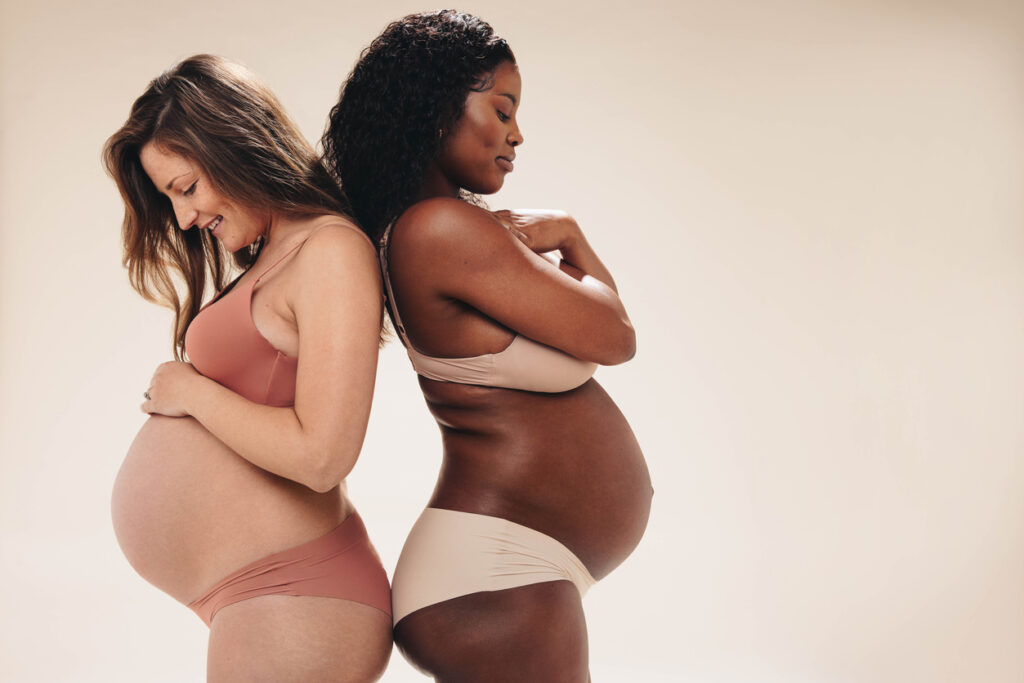
Pregnancy and significant weight loss are incredible achievements that can bring positive changes to your life and health. However, many people find that even after achieving their goals, their abdomen does not look or feel as they expected. Loose skin, stretched abdominal muscles, and stubborn pockets of fat can remain despite a healthy lifestyle.
Understanding why these changes occur can help you make informed decisions about your options and set realistic expectations for your body after pregnancy or weight loss.
Why Does the Abdomen Change After Pregnancy
During pregnancy, the skin and abdominal muscles stretch to accommodate a growing baby. While some of these changes naturally improve after childbirth, others may be more permanent.
Common abdominal changes after pregnancy include:
- Loose or sagging skin
- Stretch marks
- Separated abdominal muscles (diastasis recti)
- Weakened core strength
- Persistent fullness or bulging of the abdomen
- Changes in the waistline and body contour
For many women, diet and exercise can help improve overall fitness and reduce body fat. However, they cannot always restore stretched skin or repair separated abdominal muscles.
Understanding Diastasis Recti
One of the most common changes after pregnancy is diastasis recti, a condition in which the left and right abdominal muscles separate along the midline of the abdomen.
This separation can contribute to:
- A protruding or rounded abdomen
- Lower back discomfort
- Reduced core strength
- Difficulty achieving a flatter abdominal appearance
While exercise programs may help strengthen the core, they cannot always fully repair significant muscle separation. In some cases, surgical correction may be required to restore the abdominal wall.
How Significant Weight Loss Affects the Abdomen
Weight loss is a major accomplishment that can improve overall health and well-being. However, when a large amount of weight is lost, the skin may not fully retract to match the body’s new shape.
Factors that influence skin elasticity include:
- Age
- Genetics
- Amount of weight lost.
- Duration of time the skin was stretched
- Sun exposure
- Smoking history
As a result, some individuals experience excess skin around the abdomen even after maintaining a stable weight.
Common concerns following weight loss include:
- Hanging or loose abdominal skin
- Skin irritation within folds
- Difficulty finding properly fitting clothing
- Persistent abdominal fullness despite weight loss
- Changes in body confidence
Why Diet and Exercise May Not Be Enough
Healthy eating and regular exercise are essential for maintaining overall health and achieving weight management goals. However, they have limitations when it comes to correcting certain physical changes.
Exercise can help:
- Build muscle strength
- Improve core stability
- Reduce body fat
- Enhance overall fitness
Exercise cannot:
- Remove excess skin
- Tighten severely stretched skin.
- Repair significant muscle separation.
- Eliminate skin folds created by weight loss.
This is why some people continue to experience abdominal concerns even after years of dedicated healthy habits.
When to Consider a Tummy Tuck
A tummy tuck, also known as abdominoplasty, is a surgical procedure designed to improve abdominal contour by addressing excess skin and tightening the abdominal wall when appropriate.
The procedure may help:
- Remove loose or hanging abdominal skin.
- Tighten weakened or separated abdominal muscles.
- Improve abdominal contour and definition.
- Create a smoother, firmer appearance.
A tummy tuck is not a weight loss procedure. Instead, it is intended for individuals who are already close to their goal weight but are bothered by excess skin or abdominal laxity.
Are You a Good Candidate?
You may be a candidate for a tummy tuck if you:
- Have excess abdominal skin after pregnancy or weight loss.
- Have completed childbearing
- Are at or near a stable, healthy weight
- Are in good overall health
- Have realistic expectations about surgery and recovery.
A consultation with a board-certified plastic surgeon can help determine whether a tummy tuck or another procedure may be appropriate for your goals.
The Importance of Stable Weight
Before considering surgery, it is generally recommended to achieve and maintain a stable weight. Significant weight fluctuations after a tummy tuck can affect long-term results.
Patients who have completed their weight-loss journey and are committed to maintaining a healthy lifestyle often achieve the most lasting outcomes.
Moving Forward with Confidence
Pregnancy and weight loss can transform your life in meaningful ways, but they can also leave behind physical changes that do not always improve with diet and exercise alone. Excess skin, muscle separation, and changes in abdominal contour are common and often completely normal.
If these concerns affect your comfort or confidence, there may be options available to help you achieve your goals. Understanding the causes of these changes is the first step toward making informed decisions about your body and your care.
Schedule a Consultation
If you would like to learn more about tummy tuck surgery and whether it may be right for you, schedule a consultation with John S. Lee, MD. Together, you can discuss your concerns, explore your options, and develop a personalized treatment plan designed to help you achieve natural-looking results.