Choosing a plastic surgeon in Portland involves more than comparing websites or advertisements. Patients benefit most from evaluating verified training, surgical experience, safety standards, and a surgeon’s ability to deliver balanced, natural-appearing results.
This guide explains what “best” means in modern plastic surgery — including American Board of Plastic Surgery (ABPS) certification, consistent before-and-after outcomes, and a transparent, patient-centered process. It also outlines how to compare procedures, credentials, recovery expectations, and typical costs across the Portland metro area and nearby cities.
Throughout, the emphasis is on education and informed decision-making, helping patients identify surgeons who prioritize safety, proportion, and individualized care rather than trends or exaggerated results.
Who Is Dr. John S. Lee, MD?
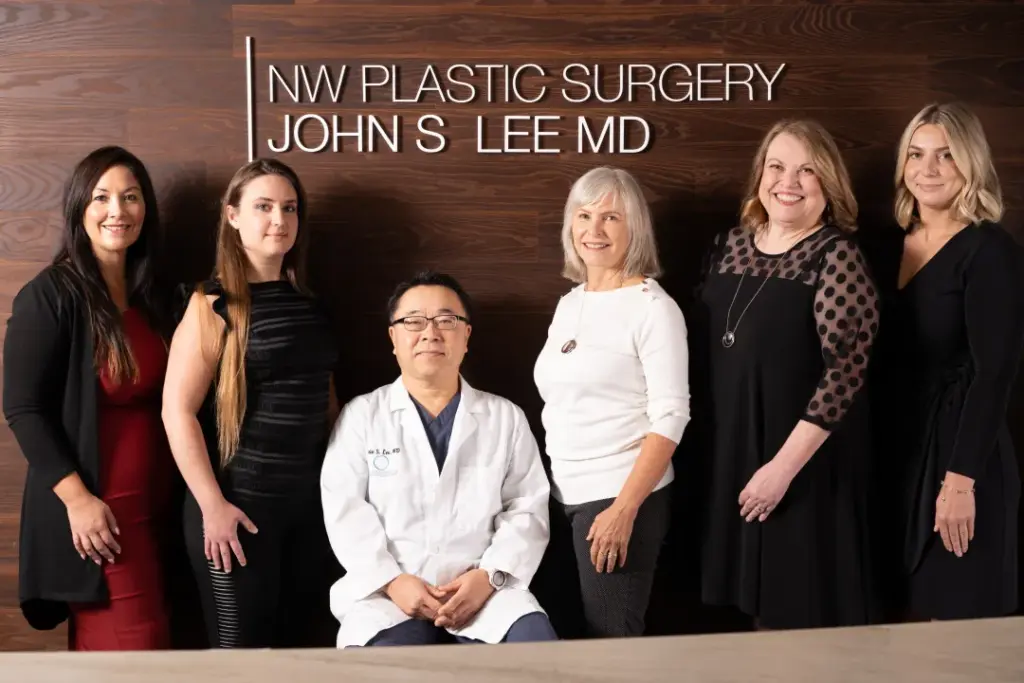
John S. Lee, MD, is a board-certified plastic surgeon serving patients in Portland, Oregon, and the surrounding region, including Vancouver, Washington. Certification by the American Board of Plastic Surgery reflects completion of accredited surgical training, rigorous examinations, and ongoing peer review — all of which support a high standard of patient safety and surgical competence.
Dr. Lee’s practice addresses a wide range of aesthetic concerns involving the breasts, body, and face, with a clinical philosophy centered on proportionate, natural-looking outcomes that respect each patient’s anatomy. When comparing plastic surgeons in Portland, these foundational elements — certification, documented outcomes, and a clearly defined surgical approach — provide meaningful benchmarks for evaluation.
What Credentials and Experience Does Dr. Lee Have?
Dr. Lee is certified by the American Board of Plastic Surgery (ABPS), the only board recognized by the American Board of Medical Specialties for plastic surgery. This credential signifies completion of accredited residency training, comprehensive examinations, and ongoing maintenance of certification.
When researching plastic surgeons, patients are encouraged to:
- Confirm board certification through official sources
- Review a surgeon’s scope of procedures and case experience
- Examine before-and-after galleries that reflect consistent technique and realistic outcomes
In Portland, surgeons with extensive aesthetic experience are better equipped to manage anatomical variation, revision cases, and individualized surgical planning — all of which influence safety and long-term satisfaction.
How Are Natural-Looking Results Achieved?
Natural-appearing outcomes are the result of careful preoperative planning, appropriate candidacy, and conservative surgical decision-making. In Dr. Lee’s practice, this process typically includes:
- Detailed consultations focused on goals, anatomy, and limitations
- Use of imaging or measurements to establish realistic expectations
- Selection of techniques that prioritize balance, symmetry, and scar placement
Rather than pursuing dramatic change, the emphasis is on refinement and proportion, with close postoperative follow-up to support healing and long-term results. Patients seeking subtle, enduring improvement benefit from surgeons who can clearly explain both the plan and its limitations.
Plastic Surgery Procedures Commonly Offered in Portland
Most experienced Portland plastic surgeons provide surgical options across three primary categories — breast, body, and facial procedures — as well as select non-surgical treatments that support overall aesthetic goals.
Understanding indications, limitations, and expected outcomes helps patients narrow options before consultation.
Common Procedures and Typical Indications
| Breast Augmentation | Desire for increased or restored volume | Improved fullness and proportion using implants or fat transfer |
| Tummy Tuck (Abdominoplasty) | Excess abdominal skin or muscle laxity | Flatter abdomen and improved waist contour |
| Facelift | Facial laxity and jowling | Smoother contours and longer-lasting facial rejuvenation |
These summaries are educational and not prescriptive; candidacy and outcomes depend on individual anatomy and health factors.
Facial Plastic Surgery Procedures Offered in Portland
Facial plastic surgery focuses on restoring balance, definition, and harmony to the face while preserving natural expression. In Portland, board-certified plastic surgeons commonly offer a range of facial procedures designed to address visible signs of aging, volume loss, and skin laxity in a measured, proportionate way.
Rather than treating the face as isolated features, experienced surgeons evaluate facial anatomy as a whole, including skin quality, underlying structure, and how different areas age together. This comprehensive approach supports results that look refreshed rather than overcorrected.
Common Facial Procedures and What They Address
| Facelift | Sagging in the midface and lower face | Smoother contours and improved jawline definition |
| Neck Lift | Loose skin or banding in the neck | More defined neck and jaw transition |
| Eyelid Surgery (Blepharoplasty) | Heavy or tired-looking upper or lower eyelids | Brighter, more rested eye appearance |
| Brow Lift | Low or heavy brow position | Improved brow balance and upper-face openness |
These procedures may be performed individually or in carefully selected combinations, depending on anatomy, aging patterns, and patient goals.
Popular Breast Procedures in Portland
Frequently performed breast procedures include:
- Breast augmentation
- Breast lift (mastopexy)
- Breast reduction
- Breast implant exchange
- Breast implant removal
Each procedure addresses distinct concerns such as volume, position, or implant-related issues. Surgical planning considers breast shape, tissue quality, chest anatomy, and lifestyle factors.
Recovery timelines vary:
- Augmentation alone may allow light activity within 1–2 weeks
- Combined or revision procedures often require longer recovery
In some cases, staged procedures improve safety and aesthetic outcomes. Reviewing real case examples and discussing recovery expectations during consultation is essential.
Body Contouring Procedures Available Locally
Body contouring options in Portland commonly include:
- Liposuction
- Abdominoplasty
- Arm or thigh lifts
- Combined procedures such as “mommy makeovers.”
Procedure selection depends on skin elasticity, fat distribution, and patient goals. Liposuction alone reshapes localized fat but does not address loose skin; excisional procedures may be recommended when skin laxity is present.
Patients should expect discussions about scarring, contour limitations, and a phased recovery, with a gradual return to activity over weeks to months.
How to Choose the Best Plastic Surgeon in Portland
Choosing a surgeon should be based on safety-focused criteria, not marketing claims. Key factors include:
- Board Certification: Confirm ABPS certification
- Documented Results: Review consistent before-and-after galleries
- Communication Style: Clear explanations of risks, recovery, and expectations
Scheduling consultations with shortlisted surgeons allows patients to evaluate surgical philosophy, revision policies, and postoperative care.
Why Board Certification Matters
ABPS certification confirms that a surgeon has completed formal plastic surgery training, passed comprehensive examinations, and participates in ongoing peer review. This distinction helps separate fully trained plastic surgeons from other providers offering cosmetic procedures.
During consultation, patients should feel comfortable asking about:
- Training background
- Case volume for specific procedures
- How complications or revisions are handled
These discussions support informed, safety-focused decision-making.
Understanding Surgeon Reviews and Testimonials
Patient reviews are most useful when evaluated for patterns rather than isolated opinions. Helpful indicators include:
- Consistent feedback about communication and follow-up
- Realistic descriptions of recovery
- Transparency around outcomes and revisions
Testimonials should be considered alongside verified before-and-after galleries to ensure alignment between reported experiences and documented results.
The Typical Patient Journey for Plastic Surgery in Portland
Most patients move through four stages:
| Consultation | Evaluation, goal setting, planning | Single visit; planning may take weeks |
| Pre-operative | Medical clearance and instructions | 1–2 weeks before surgery |
| Surgery | Procedure in accredited facility | Day of surgery |
| Recovery | Follow-up, healing, activity progression | Weeks to months |
Clear communication at each stage helps reduce uncertainty and supports safer outcomes.
What to Expect During Recovery
Recovery generally includes:
- Temporary swelling and bruising
- Gradual return to normal activities
- Scheduled follow-up visits to monitor healing
Scar maturation and final results evolve over several months. Patients are advised to follow postoperative instructions closely and maintain communication with their surgical team.
Evaluating Before-and-After Photo Galleries
High-quality galleries demonstrate:
- Consistent lighting and positioning
- Clear postoperative timelines
- Proportionate, balanced results
Natural outcomes are evident when improvements enhance appearance without overcorrection. Patients should ask how photos were taken and at what stage of recovery.
Costs and Financing for Plastic Surgery in Portland
Costs vary based on procedure complexity, anesthesia, facility fees, and individualized planning.
Estimates should be itemized, including surgeon, anesthesia, facility, and postoperative care fees. Results and costs vary, and consultation is necessary for personalized estimates.
Financing Options
Patients commonly use:
- Credit cards
- Third-party medical financing
- Structured in-office payment plans
Many practices, including NW Plastic Surgery Portland, offer financing consultations to help patients plan responsibly and align treatment with budgeting needs.
Final Thought
Selecting a plastic surgeon in Portland is a personal decision that should balance credentials, experience, communication, and documented results. Thoughtful research and consultation support safer care and outcomes that feel natural, proportionate, and appropriate for each individual patient.