Top Travel Tips for Out-of-Town Cosmetic Surgery Patients
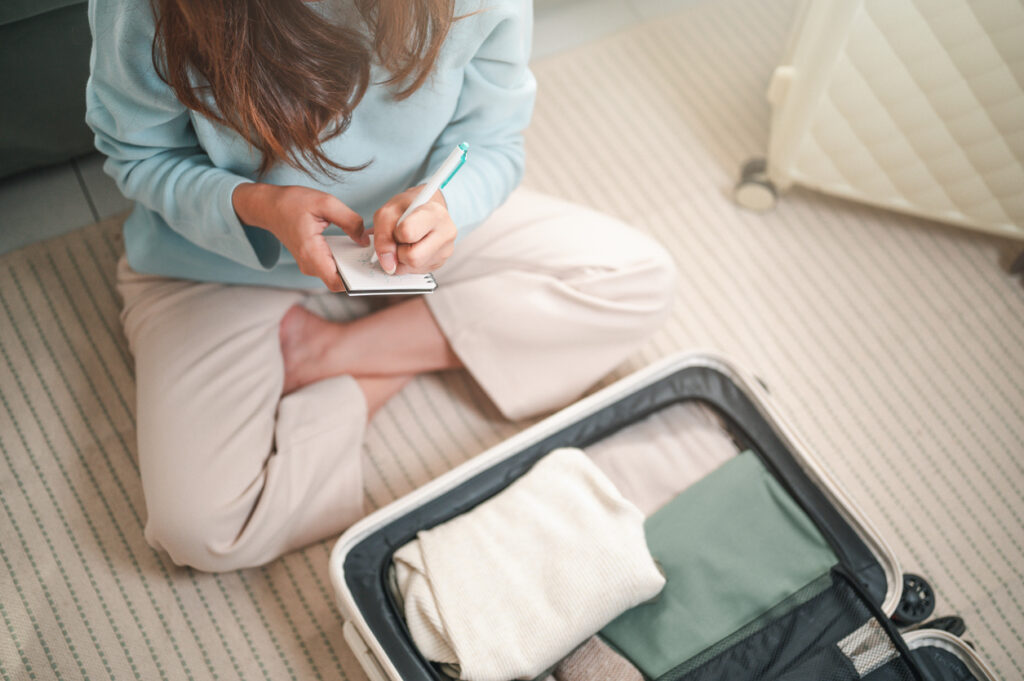
More and more people are choosing to travel for cosmetic surgery, whether across state lines or internationally. Whether you’re seeking a top-rated specialist, better pricing, or more privacy during recovery, planning your trip carefully is essential to ensure a smooth and successful experience. This guide breaks down everything you need to know before, during, and after traveling for your procedure.
Why Patients Travel for Cosmetic Surgery
Cosmetic surgery isn’t just about convenience—it’s about trust, results, and the overall experience. Many patients are willing to go the extra mile (literally) to find a board-certified surgeon with a strong reputation, modern facilities, or a style that matches their vision.
Medical Tourism vs. Domestic Travel
While international destinations like Mexico, Turkey, and South Korea have become popular for cosmetic procedures abroad, many patients prefer to travel within the U.S. to minimize risks and ensure better continuity of care.
Reasons Patients Travel
- Access to highly rated or specialized surgeons
- Increased privacy away from home
- More recovery time built into a “surgical getaway”
- Cost differences in other cities or states
Pre-Travel Planning: What to Do Before You Go
Preparation is key. The more you plan ahead, the smoother your surgical journey will be.
Do Your Research
Choose a board-certified surgeon with a proven track record, strong before-and-after portfolio, and positive reviews. Schedule a virtual consultation if you’re not local.
Book the Right Length of Stay
Ask your clinic how long you should stay nearby for post-operative checkups and potential complications. Most patients require a stay of at least 5–10 days, depending on the procedure.
Arrange Support
You’ll need someone to accompany you for the first 24–72 hours post-surgery. This could be a friend, family member, or professional recovery nurse.
Prep Your Home for Return
Before leaving for surgery, prep your bed, meals, and recovery space at home so returning is stress-free.
What to Pack for a Cosmetic Surgery Trip
Packing for surgery is different from packing for vacation. You’ll want to focus on comfort and practicality.
Essentials Include:
- Loose, front-zip, or button-down clothing
- Slip-on shoes
- Any prescribed medications
- Medical-grade compression garments (if required)
- Scar cream or ointments
- Neck pillow or wedge pillows for sleeping
- Dry shampoo and facial wipes
- Copies of your medical documents and itinerary
Pro tip: Bring extra layers and a water bottle. Clinics can feel chilly, and hydration is key for healing.
Booking Flights and Accommodations Wisely
Flights
- Arrive 1–2 days before surgery to settle in
- Avoid flying home too soon—allow for swelling to go down and incisions to stabilize
- Choose nonstop flights if possible
Where to Stay
Look for lodging near your clinic, ideally with elevator access, quiet surroundings, and in-room kitchen amenities. Ask your surgeon’s office if they have hotel partnerships or recommended recovery centers.
Traveling After Surgery
Is It Safe to Travel?
Always follow your surgeon’s advice on when to fly or drive post-op. Long trips can increase the risk of blood clots or swelling if taken too soon after surgery.
In-Transit Tips
- Wear compression garments as advised
- Stand and walk every hour if flying
- Stay hydrated and avoid salty snacks
- Use extra pillows for support
If you’ve had a body procedure like a BBL, tummy tuck, or breast augmentation, arrange special cushions or avoid sitting directly on the operated areas.
Creating a Comfortable Recovery Environment
Whether you recover in a hotel or Airbnb, set yourself up for rest and healing:
- Order groceries or pre-made meals in advance
- Minimize noise and distractions
- Pack entertainment like audiobooks, TV shows, or puzzles
- Keep medications, water, and wound care supplies within reach
When to Follow Up and How
Make sure you know how to stay in touch with your surgeon post-op, especially after returning home.
- Attend all in-person follow-up visits before traveling home
- Ask if virtual check-ins via Zoom or photos are available
- Know the red flags: extreme pain, fever, or abnormal swelling may require immediate medical attention
Bonus Tips for International Travelers
- Bring printed copies of prescriptions, medical documents, and translations if needed
- Secure travel insurance that covers elective surgery and unexpected complications
- Understand local medical standards and licensing (not all countries offer the same safety and sterilization protocols)
Final Thoughts
Traveling for cosmetic surgery can be an empowering and rewarding experience when done right. By carefully planning your logistics, support, and post-op care, you’ll set yourself up for a smooth recovery and beautiful results.